
Feed the Scorchpot vs Slice & Dice: Which Dice Roguelike Fits Your Phone
Feed the Scorchpot builds a scoring engine on a hex island. Slice & Dice solves five heroes. One of them fits your phone better.



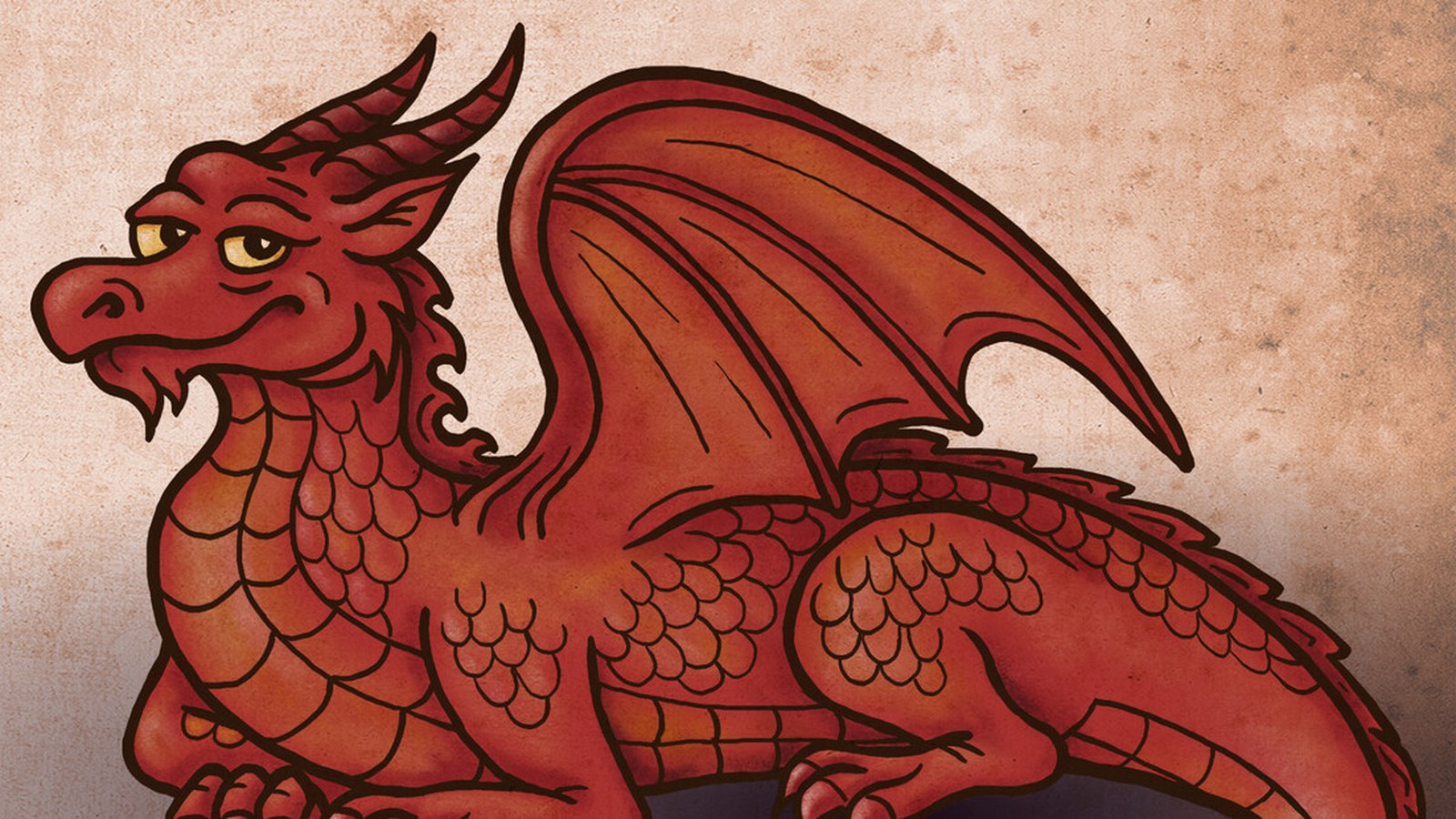
Feed the Scorchpot asks a specific question: can you keep a dragon fed for twenty years without the math collapsing? Slice & Dice asks a colder one: can you clear twenty levels with five heroes you can't heal between fights? Both are dice roguelikes on Android. Both want one payment. They feel nothing alike after ten minutes.
Put them side by side and the split comes down to where each game puts its pressure. One buries you in a board you build. The other hands you five characters and a countdown.
Two dice roguelikes, two different bets
Feed the Scorchpot is a hand-drawn dice game about an island, a contract, and a dragon that gets hungrier every year. You roll dice to work tiles, harvest ingredients, cook recipes, and multiply a Fodder score until the numbers leave the screen. It's in Android early access now, published on PC by Indieformer and made by Moravian, a two-person studio. It was built for PC first, and the phone port carries that weight.
Slice & Dice is a port in the other direction. Five heroes, each with their own dice, twenty levels, a boss at the end. Lose a fight and the run ends. It's been on Android long enough to pass a million installs, and it's tuned for touch.
Price and what you get before paying
Neither game is free to play, and neither runs ads.
Feed the Scorchpot lets you play for free, then asks for a single purchase to open the full feast. The store description puts it plainly, and the download is the whole game rather than a demo with a wall in front of level two, which is unusual for a free-to-try release on a phone.
Slice & Dice takes the demo route. You get a free demo, no ads, and one in-app purchase that buys the full game. That's the whole model, which is rare on Play and worth noting if you're tired of energy timers.
Both models are honest. The difference is what you see before you decide. Slice & Dice shows you its real systems in the demo, scaled down. Scorchpot shows you the first stretch of a run that gets much harder later, which is a bigger leap of faith. Neither game charges you twice, and neither sells progress past that one payment.
The board: hex island versus five heroes
This is the deepest difference, and it decides which game you'll still have installed in February.
Scorchpot hands you a hex grid and a scoring engine. Farms, shrines, and harbors sit on tiles, and each building changes how the board pays out, so fifty-plus buildings and eighty-plus recipes feed into Flavor and Essence, which multiply your Fodder score. The pleasure is adjacency. You find two tiles that pay each other, then a third that pays both, and the number jumps from four digits to six in a way that's hard to stop watching.
Slice & Dice puts the engine on five character sheets. Each hero has a dice pool, each face does something specific, and the run is about picking which faces to keep and which to reroll. There's no board. The puzzle is the party, and it resets every fight.
If you like city builders, go with Scorchpot. If you like party composition and tight turn maths, go with Slice & Dice. That's the honest short version.
Where the luck sits
Both games use dice, and both hide the randomness in different places.
Scorchpot rolls twenty-plus dice types, including odd, even, and coloured dice, and lets you tune your tray as you earn more of them. A tuned tray narrows the outcomes you can roll, which is how a good player turns a luck game into a plan. The variance sits in the harvest, where a bad roll costs you ingredients rather than the run, which is why a Scorchpot session can absorb a terrible year and still be fun.
Slice & Dice puts the variance in combat, where it decides whether a hero lives. A single miss can end a run you've spent forty minutes building. The game is fair about it, since you see every face before you commit, but the stakes per roll are higher.
One is a game about recovering from bad luck. The other is a game about avoiding it.
Run length and how failure feels
A Scorchpot run is a campaign rather than a session, and you're managing seasons where the dragon wakes up pickier every year while the odds tighten around you. Failure doesn't reset you to zero. It usually means rebuilding a section of the island while the rest of it burns, which is a strange and specific kind of fun.
Slice & Dice runs are short. Twenty levels, and a loss sends you back to the start. The compensation is that a fresh run takes minutes to set up, so losing costs you time rather than progress.
On a phone, that difference matters more than it does on PC, because a commute suits Slice & Dice while a long evening suits Scorchpot.
Reading the screen
Here's where the phone version of Scorchpot struggles. The interface is dense, with resource counters, tile numbers, recipe levels, and a dice tray sharing one screen, and on a 6-inch display the text gets small. The art is lovely and hand-drawn, every dragon and meal drawn by the studio's artist, but the game asks you to read a lot of tiny numbers.
Slice & Dice has the cleaner phone layout by a wide margin. Five hero panels, one dice row, one enemy row. It was designed to be legible on a small screen, and it shows.
If your eyes are tired or your phone is compact, this is the deciding factor.
Art and tone
Scorchpot wins on character. The dragon is smug, the recipes are absurd, and the hand-drawn look holds up at any resolution. Slice & Dice has a flat, readable art style that serves the mechanics and never gets in the way.
One is a game you screenshot. The other is a game you finish.
Which one fits your phone
Feed the Scorchpot is in early access, so expect balance changes and the occasional rough edge. It's the better pick if you want a builder with a scoring engine, you don't mind reading small numbers, and you'd rather play one long run than five short ones.
Slice & Dice is the better pick if you want something that respects a ten-minute break, runs cleanly on modest hardware, and doesn't ask you to learn a hex economy before your first win.
Buying both is defensible. They don't compete for the same evening.
How to install both on Android
- Open the Google Play page for the game you want first. Scorchpot is listed as an early access title, so the install button may sit behind a "Join" step depending on your region.
- Install the free download and play the opening run before you pay. In Slice & Dice, that means the demo. In Scorchpot, that means the opening seasons.
- Buy the full version from inside the game once you're sure. Both are single purchases, and neither needs a subscription.
- Keep the APK updated. Scorchpot ships balance patches often during early access, and older builds can break saved islands.
Feed the Scorchpot | Slice & Dice | |
|---|---|---|
Price model | Free start, one purchase for the full game | Free demo, one purchase for the full game |
Structure | Hex island plus scoring engine | Five heroes, twenty levels |
Runs | Long, seasonal, forgiving of bad luck | Short, punishing, restart on a loss |
Phone fit | Dense UI, small text | Clean, built for small screens |
Art | Hand-drawn, characterful | Flat, functional |
FAQs
- Is Feed the Scorchpot free on Android?
- You can play for free and buy the full game with a single purchase. There's no subscription and no ad gate, based on the Google Play listing.
- Is Slice & Dice a good alternative if I want something simpler?
- Yes. It has five heroes and twenty levels, a free demo, one purchase, and a much cleaner interface on a phone.
- Which one is better for short sessions?
- Slice & Dice. A run is short, and losing costs minutes. Scorchpot runs are seasonal and take an evening.
- Does Feed the Scorchpot work offline?
- The early access build installs as a single-player game, so it runs without a connection once the download finishes. Check the store page for your region before you rely on it.
The two games are separated by one question: do you want to build something, or do you want to solve something? Scorchpot gives you an island and makes you feed it. Slice & Dice gives you five heroes and makes you keep them alive. Install the free version of each, play twenty minutes, and let your thumb decide.