










Thanks for your rating and feedback!
You have already rated.

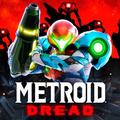
Metroid Dread is a side-scrolling action-exploration game where Samus Aran fights on planet ZDR.
It blends tight movement with nerve‑racking pursuit to keep every room engaging. The main draw is how new abilities transform earlier areas, turning dead ends into shortcuts and secrets. If you plan to download Metroid Dread, expect fast pacing, pressure from E.M.M.I. zones, and a satisfying loop of discovery. Below are the core highlights that define the experience.
Classic exploration loop: earn abilities, revisit areas, and open hidden routes.
High-pressure E.M.M.I. zones with stealth, sprinting, and narrow last-second escapes.
Agile movement and combat with slide, wall grips, melee counters, and precise shots.
Rookie, Hard, and Dread modes support different skill levels and replay needs.
Boss Rush unlocks for consecutive fights, practice, and personal best chasing.
The map unfolds as you push deeper into ZDR, then loops back on itself once new abilities are earned. Progress rarely moves in a straight line; a small ledge you once ignored or a suspicious panel you noticed can become the shortcut that ties an entire sector together. The satisfaction comes from recognizing these details and rechecking earlier rooms with a stronger toolkit.
Metroid Dread uses this design to turn backtracking into discovery rather than busywork. Sliding through narrow gaps, chaining jumps to clear hazards, and testing doors with new gear all play into that rhythm. Dead ends often hide resources or optional routes, so exploration pays off even when it does not immediately advance the story. If you feel stuck, taking a different path or revisiting a nearby zone often reveals the next thread to pull.
E.M.M.I. patrol zones change the tone instantly. These areas favor stealth, bold sprints, and quick reads of enemy movement. Mistakes carry real consequences, so players learn to use slide paths and level geometry to create breathing room. Surviving a chase often means committing to a route and trusting your timing rather than hesitating at every intersection.
Eventually you gain a temporary power-up that flips the script, letting you turn the hunter into the hunted. Metroid Dread builds tension by making these windows short and the setup demanding, so the payoff feels earned. Parrying during a grab is possible but unforgiving, which can frustrate newcomers. Treating counters as a bonus and focusing on avoidance first helps smooth the learning curve until patterns and escape lines feel natural.
Movement is built for momentum. The slide keeps your speed through low passages, while timely melee counters interrupt enemies that crowd your space. Precision shooting encourages quick target acquisition and small adjustments mid‑run, so fights stay brisk instead of turning into stationary trades. The result is a nimble style where mobility is as important as damage output.
Metroid Dread rewards rhythm: dodge, counter, reposition, then fire. Bosses emphasize that loop with clear patterns and punishing mistakes. When a sequence clicks, encounters feel fair and exhilarating rather than chaotic. If an enemy walls you off, experimenting with spacing and counter timing usually opens safer windows to land shots. That steady mastery makes later revisits and rematches faster and more confident.
The game respects different comfort levels. Rookie mode offers a friendlier on-ramp, while Hard increases pressure and resource management. Clearing Hard unlocks Dread, a one‑hit challenge that spotlights pure execution. For those who enjoy sharpening runs, Boss Rush opens after finishing the story, letting you chain major encounters and chase faster times.
Metroid Dread also supports amiibo bonuses for players who opt in, with upgrades to energy and missile capacity and small daily supplies. These extras do not replace skill, but they can soften rough patches while you practice. Together, the mode variety and optional boosts give users clear goals beyond the credits, whether that is a first clear on Rookie or a personal best in Boss Rush.
These impressions come from how exploration, chase design, and difficulty settings work together in Metroid Dread, highlighting strengths while noting where newcomers may struggle.
Pros
Responsive controls and smooth movement feel great immediately.
Clever progression makes backtracking rewarding, not repetitive.
E.M.M.I. zones deliver real tension and urgency.
Multiple modes fit both new and veteran players.
Boss Rush boosts replay and focused practice.
Cons
Difficulty spikes can frustrate beginners.
Maze-like navigation offers limited guidance.
Chase failures can feel punishing.
You can get the Metroid Dread APK here and keep up with the Metroid Dread latest version as updates roll out. The package includes high-quality assets and cutscenes, so expect a sizable download that benefits from a stable Wi‑Fi connection. On fast internet, the download typically finishes in several minutes. On mobile data or congested networks, it may take longer and use more bandwidth.
Before you start, make sure there is enough free storage and keep the device charged to avoid interruptions. If the download stalls, pause and resume after switching to stronger Wi‑Fi. After install, consider starting on Rookie to learn E.M.M.I. zones, then move to Hard once movement and counters feel comfortable. When ready, download Metroid Dread and jump in with a focus on exploration first, speed second, and mastery over time.



One-click to install XAPK/APK files on Android!
Thanks for your rating and feedback!
You have already rated.