









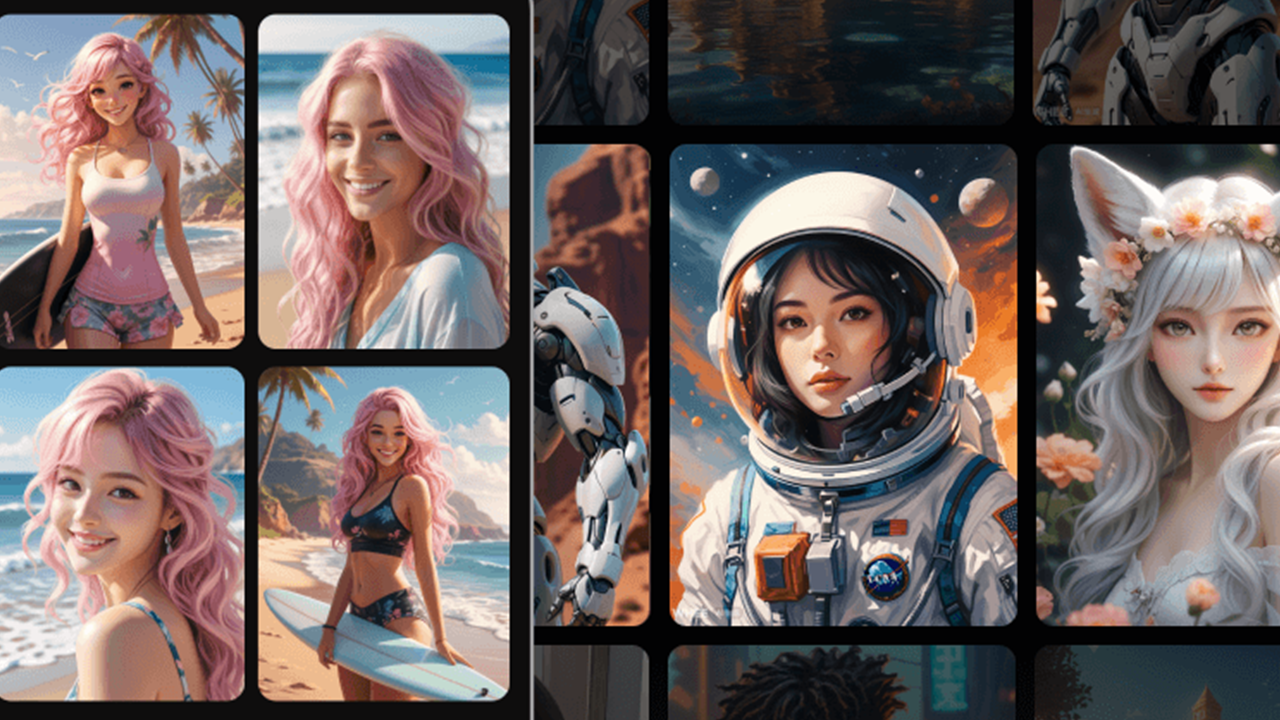

Google Play Store v53.5 rolled out as part of the October 2026 Google System Updates, and it carries an unusually focused change for a month where most updates are quiet housekeeping. The version introduced an AI label for AI-generated images in India, a regional rule that's the first of its kind to ship through the Play Store rather than an app. The same system cycle also delivered a follow-up Play Store build a week later, so there are two things worth tracking this month.
If you update apps without thinking about it, this is the version that quietly adds a small badge to certain images. If you publish content or run an app in India, the label rule is something you now have to account for.
What Google Play Store v53.5 Actually Changes
The core change in v53.5 is short. With this update, AI-generated images in India include an AI label, with some exceptions. The rollout was logged in the Google System Release Notes on October 5, 2026, alongside the rest of the October cycle.
That's the entire v53.5 entry for the Play Store itself. Don't expect a redesigned interface or a new download screen. Play Store version bumps like this are often narrow, and the release notes describe only what users would actually notice. The AI label is a trust signal aimed at a specific market, and it applies to AI-generated imagery rather than every image on the store.
Why the Play Store AI Label in India Matters
Labels sound cosmetic until you think about who they protect. An AI-generated image that looks real can mislead shoppers evaluating an app, a wallpaper pack, or a promotional screenshot. Adding a visible label gives users a quick way to separate synthesized visuals from photographed ones.
The "with some exceptions" clause matters more than the flag itself. Google hasn't published the full list of exceptions, so the practical reach of the label is narrower than the headline suggests. Treat it as a first step rather than a finished policy.
There's a broader pattern here. The October system updates landed around the same time as Instagram's own AI-labeling discussion and a wider industry push to mark synthetic media. Google's move puts the Play Store in that conversation, even if the scope is currently one region.
The Google Play Store v53.6 Follow-Up a Week Later
Here is the detail that confuses people reading the release notes: the October cycle logged a second Play Store build, v53.6, on October 12. If your device shows 53.6 rather than 53.5, nothing is broken. Both shipped inside the same monthly system update window.
v53.6 focused on review tooling rather than AI labels. It added summarized insights and direct citations from real user reviews through Ask Play, a tag-chip row at the top of the Listen cube in Collections to filter content, and AI Summary inside Community Posts so you can catch up on trending discussions and jump into the original thread.
So if someone tells you the October update is about AI labels and someone else says it's about review discovery, you're both right. Different builds, same month.
It's worth tracking both builds together because they tell you what Google cares about right now. One is about trust and transparency in what images show; the other is about helping you decide what to install. Those are the two halves of a storefront: getting people in, then keeping them from feeling misled once they're inside. Security and privacy follow from the same instinct, since a store that flags synthetic images is also a store trying to protect users from deception at the listing level.
How to Get the Google Play Store Update
The Play Store updates itself through Google Play services, and there's usually no manual download step. The version arrives when it arrives.
- Open the Google Play Store app.
- Tap your profile icon in the top right.
- Go to Settings, then About.
- Tap Play Store version to check the current build number.
If you're on v53.5 or v53.6, you already have the October changes. Forcing an update is rarely possible from inside the app, because Google controls this rollout server-side. Rebooting the phone after a system update is the most reliable nudge.
The Play Store is one of several components in the monthly Google System Update, which also covers Play services, Play system update, and various first-party apps. A feature appearing in the changelog doesn't mean it's live on your device yet; some capabilities take months to reach everyone.
Who Feels the Impact of This Google Play Store Update
The honest answer is that most users won't notice anything at all. The Play Store is a storefront, and its version bumps are plumbing more than features. So why bother writing about it? Because the one group it does affect has real work to do.
- Publishers in India will need to handle the AI label on generated images, which is the one group with a concrete action item.
- Users in India see a small legitimacy cue when browsing image-heavy listings.
- Everyone else gets silent stability work, which is why their Play Store keeps working without drama.
If you're a developer wondering whether the label affects your promo art, the answer is likely yes if the image is AI-generated and your listing targets India. Check Google's Play Console guidance rather than guessing, because the exceptions aren't fully documented in the release notes.
What to Watch for in the Next Play Store Update
The Play Store's monthly cadence means the next build is roughly four weeks out. The trends to watch are two: whether the AI label expands beyond India, and whether the Ask Play review summaries in v53.6 grow into a full discovery feature.
If Google extends the AI label to more regions, that's the moment it stops being a local curiosity and becomes a store-wide policy. Until then, the change is real but limited.

Google Play Store is a digital marketplace app that connects Android users with apps, games, movies, TV, and books.
Is the Google Play Store v53.5 Update Worth Noticing?
For a version that most people will never see, v53.5 does something meaningful: it puts a transparency label directly in the hands of shoppers in one of Google's largest markets. The execution is narrow, and the exceptions list is thin, but shipping an AI label through the store rather than through individual apps is a small shift in how the storefront takes responsibility for what it shows.
If you're in India and browse image-heavy listings, you'll see the change. If you're a publisher there, you've work to do. Everyone else can treat October 2026 as a quiet month on the Play Store and keep updating as usual.